Mill Scale
Coastal Exim
Mill Scale
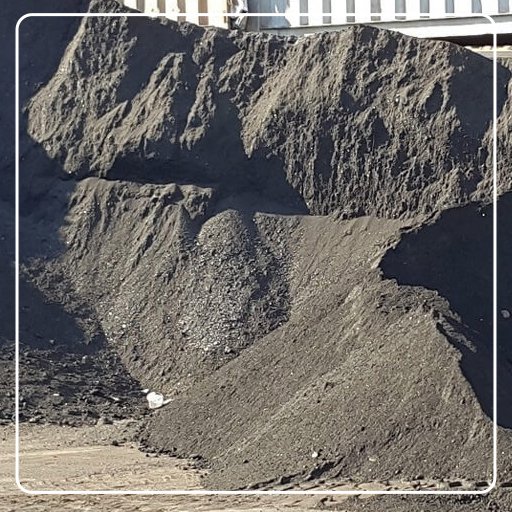
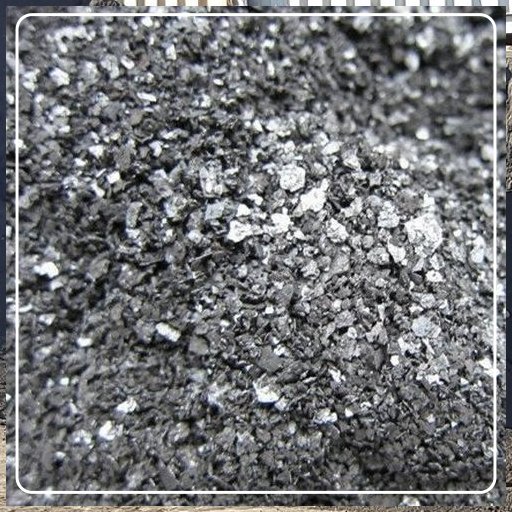
Mill scale is a byproduct of the steel manufacturing process. It forms as a thin, hard coating of iron oxides on the surface of hot-rolled steel during cooling. It is collected and recycled for various industrial applications, including iron production, cement manufacturing, and sintering plants.
Composition of Mill Scale
| Component | Percentage (%) |
|---|---|
| Iron (Fe) | 65 – 72% |
| Ferric Oxide (Fe₂O₃) | 40 – 50% |
| Magnetite (Fe₃O₄) | 30 – 40% |
| Wüstite (FeO) | 10 – 20% |
| Silica (SiO₂) | 1 – 3% |
| Alumina (Al₂O₃) | 0.5 – 2% |
| Carbon (C) | < 1% |
| Moisture | 0.5 – 2% |
- High iron content (65-72%) makes it valuable for recycling in iron and steel production.
- Consists of a mix of iron oxides (Fe₂O₃, Fe₃O₄, FeO) formed during oxidation.
Sources & Collection of Mill Scale
Mill scale is not mined but collected as a waste byproduct from steel manufacturing processes, particularly hot-rolling mills.
Sources of Mill Scale
- Steel Rolling Mills – Forms on hot-rolled steel surfaces during cooling.
- Forging & Heat Treatment Plants – Develops as an oxidation layer.
- Welding & Flame Cutting Processes – Produces iron-rich residues.
Collection Methods
- Mechanical Scraping – Removed from steel surfaces during finishing.
- Water Spray Collection – Washed off in rolling mills and separated from cooling water.
- Magnetic Separation – Used to extract iron-rich particles from waste materials.
Coastal Exim
industries we serve
we specialize in delivering top-quality mining solutions tailored to various industries. Our expertise ensures efficiency, safety, and sustainability across multiple sectors, including
- Power
- Steel / Ferro Alloys
- Cement
- Pharma / Ethanol
- Fertilizers
- Tiles (Sanitaryware,Tableware)
- Paper
- Glass
- Refractories
- Insulator Industry